How to Naturally Reduce Anxiety

Natural Remedies to Reduce Your Anxiety
Anxiety is a normal human response. It’s your brain and body trying to keep you safe. The problem is when that feeling sticks around or starts getting in the way of sleep, work, relationships, or everyday tasks.
If you’re looking for natural remedies for anxiety, small changes can add up in meaningful ways. Together, they can calm the nervous system, reduce the intensity of symptoms, and improve your baseline resilience so anxious moments feel more manageable.
Below are a few evidence-informed options you can start with today.
What Causes Anxiety?
Anxiety can be triggered by one thing or a mix of things, including:
Stress overload (work pressure, caregiving, financial strain, study)
Poor sleep (or inconsistent sleep patterns)
Stimulants (caffeine, nicotine, energy drinks)
Hormonal changes (including menstrual cycle and postpartum changes)
Health factors (thyroid issues, nutrient deficiencies, medication side effects)
Learned patterns (catastrophising, avoidance, perfectionism)
Past experiences (trauma, chronic uncertainty)
It’s also common for anxiety to create a loop: symptoms (racing heart, tight chest, nausea, etc.) feel scary, which increases worry, which increases symptoms.
Natural Remedies for Anxiety
If you’re wondering what a natural remedy for anxiety is, think of it as a tool that supports your mind-body system without relying solely on medication. Many people do best with a number of small strategies rather than one magic fix.
Breathing Techniques & Nervous System Regulation
Your breath is one of the fastest ways to send a safety signal to the body. Try:
Physiological sigh: inhale through the nose, top up with a second short inhale, then slow exhale through the mouth (repeat 3–5 times).
Box breathing: inhale 4, hold 4, exhale 4, hold 4 (repeat for 2–4 minutes).
Longer exhales: inhale 4, exhale 6–8 for a few minutes.
Regular Movement & Exercise
Movement is an effective anti-anxiety treatment because it metabolises stress hormones. Good options include:
Brisk walking
Strength training 2–3 times per week
Yoga, Pilates, tai chi
Sleep & Recovery
Sleep and anxiety have a two-way relationship: anxiety affects sleep, and poor sleep increases anxiety sensitivity. Try to:
Keep wake-up time consistent
Dim lights 60–90 minutes before bed
Avoid heavy meals and alcohol close to sleep
Put your phone out of reach
If you can’t sleep, do something low-stimulation and return to bed when sleepy
Identifying & Reducing Stimulants
If your anxiety feels “wired,” start by auditing:
Coffee, tea, energy drinks, pre-workout supplements
Nicotine/vapes
Some decongestants and weight-loss supplements
Mindfulness & Meditation
Mindfulness doesn’t mean “blank mind.” It means noticing thoughts and sensations without immediately reacting to them. Try:
3 minutes of note-taking (thinking, worrying, planning…)
A guided body scan before bed
Grounding attention to sound, touch, and breath
Nutrition & Diet
Food won’t cure anxiety, but it can lower your vulnerability. Focus on:
Regular meals (blood sugar swings can feel like anxiety)
Protein at breakfast
Omega-3 sources (salmon, sardines, chia/flax)
Magnesium-rich foods (leafy greens, legumes, nuts)
Hydration (dehydration can worsen headaches and jitters)
If you’re frequently shaky, nauseous, or dizzy with anxiety, it’s worth discussing iron, B12, vitamin D, and thyroid checks with your GP.
Herbal & Alternative Approaches
There’s no definitive “best” natural anxiety medicine. The option/s you decide on depend on your symptoms, health history, and what you’re already taking. Some people explore:
Lavender (aroma or oral preparations)
Chamomile tea
L-theanine
Passionflower and valerian
Important: “Natural” can still interact with medications and may not be appropriate during pregnancy, breastfeeding, or for certain medical conditions. Check with a pharmacist or clinician first.
In Australia, some people also discuss medicinal cannabis as part of a care plan for anxiety-related symptoms, but it’s not right for everyone, can have side effects, and is usually considered only after a proper clinical assessment.
Immediate Relief Options for Anxiety Symptoms
When anxiety hits hard, aim for downshifting rather than fixing your negative feelings or sensations. Try:
5–4–3–2–1 grounding: List 5 things you see, 4 touch, 3 hear, 2 smell, 1 taste
Cold splash or cool pack on cheeks/eyes for 10–20 seconds
Progressive muscle relaxation: tense and release muscle groups from feet to jaw
Name the experience: “This is anxiety. It feels intense, but it will pass.”
Drink water, step outside, message a friend, or take a 5-minute walk
If panic symptoms feel chest-related or unusual for you, err on the side of caution and seek urgent medical advice.
When to Consider Additional Support
Natural strategies are helpful, but you don’t need to wait until it’s unbearable to get extra help. Consider speaking with a GP or mental health professional if:
Anxiety is present most days for weeks
You’re avoiding normal activities
Sleep is consistently impacted
You’re using alcohol or substances to cope
You have panic attacks, intrusive thoughts, or feel unsafe
Recovery is possible, and anxiety is commonly managed with a mix of education, lifestyle supports, therapy approaches, and (when appropriate) medication.
Taking the Next Step with Support
If you’ve been trying to manage anxiety on your own and feel like you’ve hit a ceiling, it may be worth exploring additional support that can sit alongside lifestyle changes and natural strategies.
Everyone’s experience of anxiety is different, and sometimes the most effective approach is a personalised one that takes your symptoms, history, and day-to-day challenges into account.
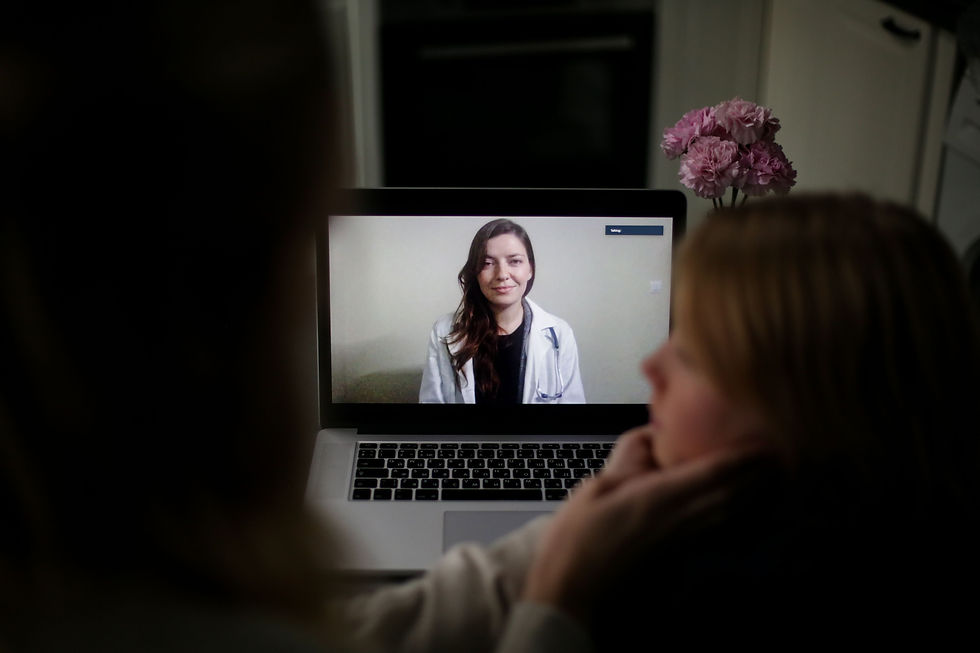
Altuva’s simple online process helps you understand what options may be appropriate for your situation, without pressure or unnecessary complexity. You can begin with an online intake, complete a quick screening to check suitability, or reach out to us directly if you’d prefer to ask a few questions first.
Whenever you’re ready, we’re here to help you move forward.


Comments