How to Talk to Your Doctor About Medical Cannabis

Medical cannabis is prescribed in Australia, and the way to access it is through a doctor. Knowing how to talk to your doctor about medical cannabis is often what people find hardest, largely because of the ongoing stigma.
You don’t have to overthink this first step. You don't need a dose or treatment plan in mind. What's useful is a clear account of your symptoms, what you've already tried, and what you want treatment to change.
Why this conversation feels harder than it has to be
Cannabis spent decades as an illicit drug, and that association hasn't gone anywhere. Some patients hold off considering it because they expect to be judged or assumed to be drug-seeking.
Medicinal cannabis is a prescription treatment. Your doctor's job is to weigh your history, symptoms, current treatments, and the available evidence, then decide whether it's appropriate. Raising the subject isn't the same as asking for a script.
Is medical cannabis actually something you can ask a doctor about in Australia?
In Australia, a registered medical practitioner or nurse practitioner can prescribe medical cannabis where they consider it clinically appropriate, though additional Commonwealth or state approvals may apply.
Most medicinal cannabis products aren't included on the Australian Register of Therapeutic Goods (ARTG). Access to those generally runs through the Therapeutic Goods Administration's Special Access Scheme (SAS) or the Authorised Prescribers Scheme.
What to know before the appointment
Know your own treatment history
The symptoms or condition you want help managing
How long you've had them
Treatments and medications you've already tried
What helped, what didn't, and what caused side effects
Any other medicines or supplements you take
How to bring it up without feeling awkward
There's no formal process for how to ask your doctor for medical cannabis. Saying you've been researching your options and would like your doctor's viewpoint is enough.
Example phrases to start the conversation:
"I've read a little about medical cannabis. Do you think it could be appropriate for me?"
"I've tried a few treatments already and I'd like to consider medical cannabis.”
"If you don't think it's suitable, could you explain why?"
That leaves room for your doctor to explain the risks and what else might be worth trying.
What "unapproved" means
Most medicinal cannabis products in Australia are unapproved therapeutic goods. The TGA hasn't assessed them for safety, quality, or effectiveness the way it assesses products on the Australian Register of Therapeutic Goods.
What your doctor will likely ask you
Expect questions about your symptoms, medical history, and current medications, along with allergies and anything else affecting the safety of treatment.
Answer honestly, particularly about other medicines and substances you use.
Side effects can include:
Fatigue
Sedation
Dizziness
Nausea
Changes in appetite
Changes in cognition and judgement
A note on driving
Cannabis can impair driving, and drug-driving laws differ between states and territories. A prescription doesn't automatically make it legal to drive with this drug in your system, so ask your doctor about the rules where you live.
What if your doctor says no or seems unsure?
A ‘no’ isn't a wasted appointment. Ask why. The answer may relate to your medical history, a possible interaction, the evidence for your condition, or another treatment they'd rather try first.
If your doctor isn't familiar with medicinal cannabis prescribing, ask whether they'd recommend another qualified healthcare professional.
Why people choose a specialist telehealth consultation instead
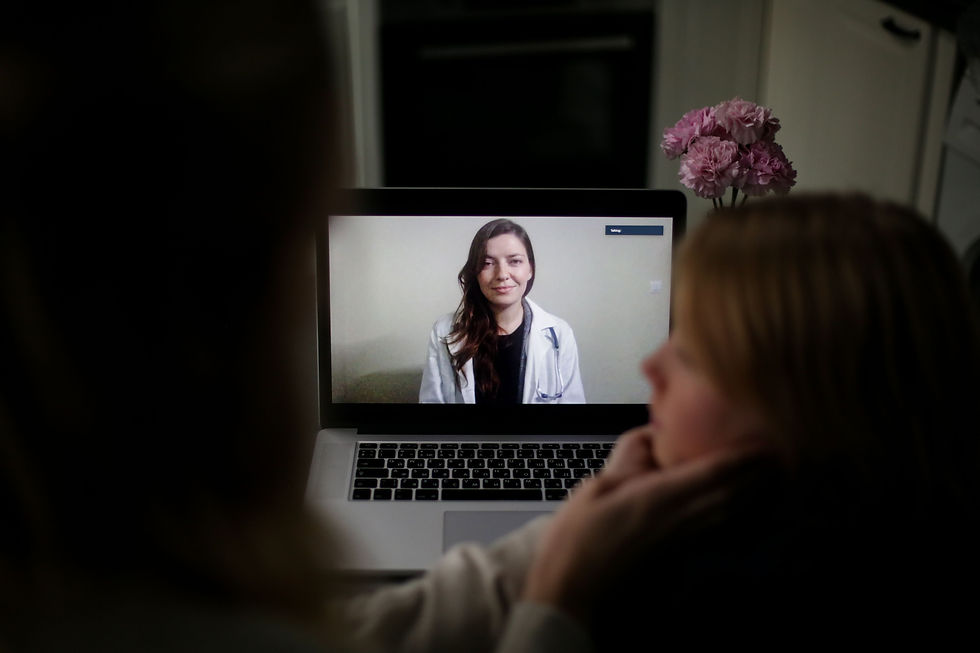
For some patients, the obstacle is finding an appointment long enough for a detailed discussion, with a doctor comfortable having it. Telehealth suits people in regional areas, people who find travel difficult, and people who'd rather do this from home.
It should still involve a proper clinical assessment. A prescription isn't guaranteed, and treatment should only be recommended where a healthcare professional considers it clinically appropriate.
How Altuva makes this conversation easier
Altuva runs online consultations with Australian-registered healthcare professionals, starting with a health assessment covering your medical history, symptoms, and previous treatments. If appropriate, you'll then speak with a doctor via telehealth.
Begin with Altuva's online intake form or screening assessment, or contact the team if you have questions about the process.
This article is general information only and isn't medical advice. Treatment suitability varies between individuals and is determined by a qualified Australian healthcare practitioner.


Comments